+39 045 7363221 info@riseriagazzani.it Mon – Fri 8:00 - 12:00 / 14:00-18:00
Gazzani Rice Production

Riseria Gazzani: historic rice mill & artisanal rice production in Verona

Company

Riseria Gazzani

Respect for traditions

Every day we feel and respect in our work the heritage of artisanal rice processing, the goodness and well-being born from grains grown on these pristine lands…

Currently the Rice Mill belongs to the Soave family.
The mill today is used exclusively as a rice husker, and continues the age-old tradition of milling Carnaroli Rice and Vialone Nano Rice.
We passionately preserve the ancient and charming factory, on the Graicella waters.

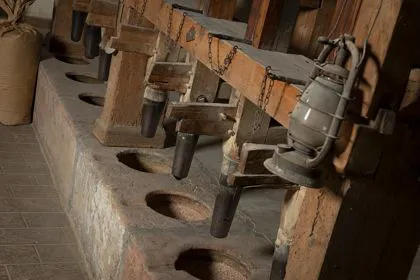
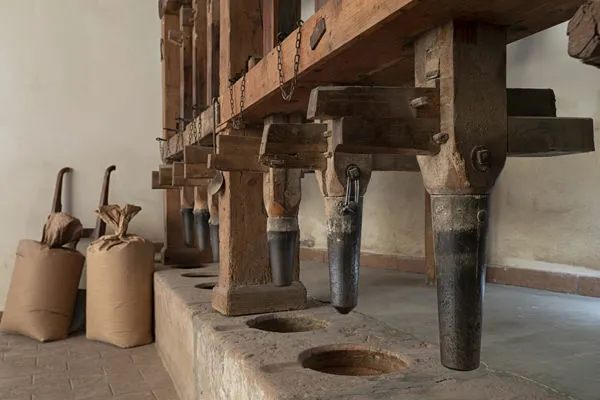
pestle milling - gazzani rice mill
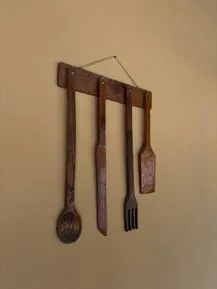
rice ladles - riseria gazzani
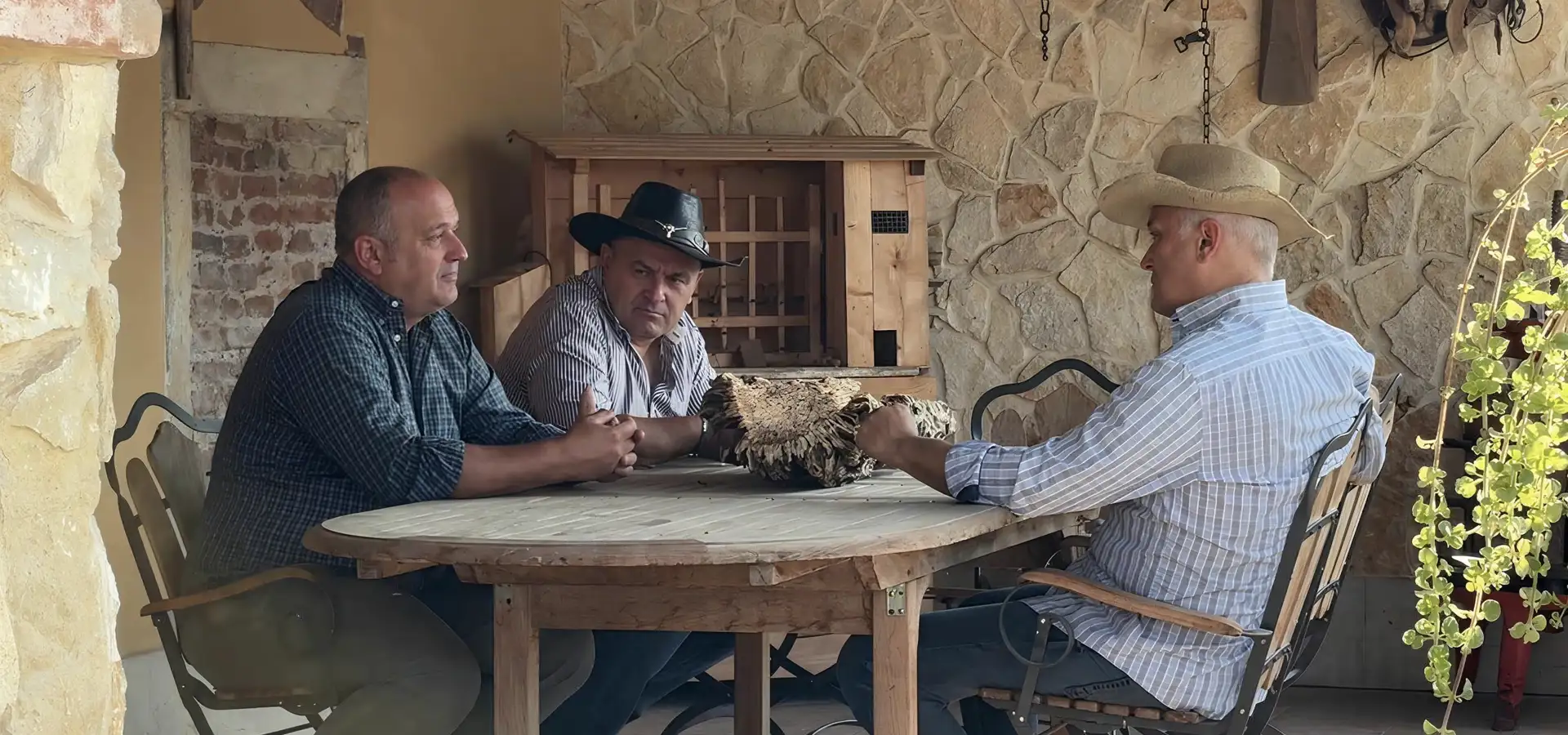
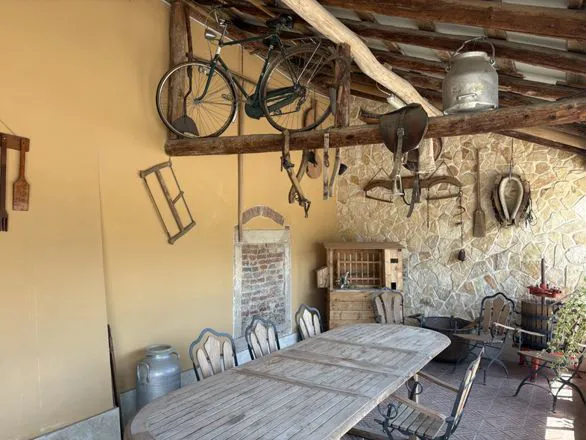
gazzani rice mill porch
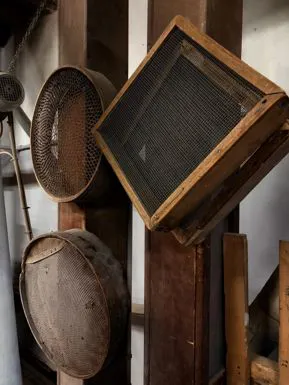
sieves - gazzani ricemill
rice ladles gazzani rice mill
From Mill to Rice Mill, the wealth of the land

Our story

The history of Riseria Gazzani began centuries ago, during the Renaissance in Vigasio, in the province of Verona.

The Gazzani mill, dating from the late 15th to early 16th century, is the building that started local farming, continuing as a Rice Mill to this day.

The New Mill

Initially called 'Mulino Nuovo'. In 1544 the Municipality of Vigasio used it to get a loan to buy the Mulino Vecchio from the Morando nobles.
1544

Rice Mill

According to Austrian Land Registry documents, rice processing machinery was added in 1648. In the territory of Vigasio, the Sopra (at Vaccaldo), Sotto (in Pozzol district), Sorte and Zambonina mills were built. The only survivor is this rice mill of Mulino Nuovo.
1648

Gazzani Family

At the end of the 18th century, the Gazzanis took possession of the Vigasio Mill. The structure began to be known by this family's name.
Late 18th

Soave Family

Currently, the Rice Mill belongs to the Soave family, who continue the centuries-old tradition of milling Vialone Nano and Carnaroli rice. They preserve and still operate the ancient factory on the Graicella canal's waters.
Now
Pestle processing Gazzani Rice Mill Verona

Pestle processing

The structure of the rice mill, still working, is that made of "pestles", vertical wooden mechanisms.
The pestles are about two meters long, and their lower end ends with a pointed metal part.

This mechanism acts by rhythmically beating the paddy (rough rice).
A process that minimizes the processing of the paddy without heating it; keeping its proteins intact.
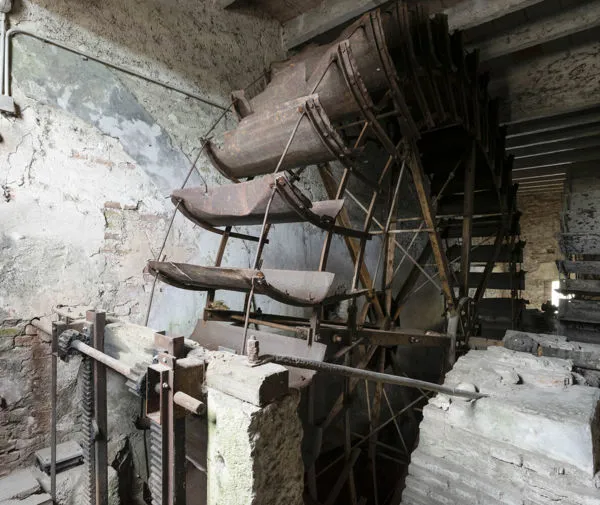
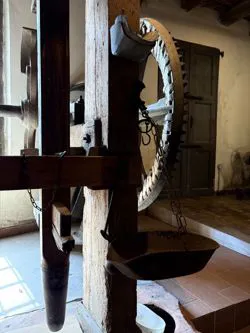
Water wheel Gazzani Rice Mill Verona

The water wheel

Even today you can visit this interesting Vigasio rice mill structure.
Two large water wheels are present, powering old and original mechanisms.

So it was and so continues artisanal rice processing, unchanged over the years.
Processing with Elica Riseria Gazzani Verona

Helical machining

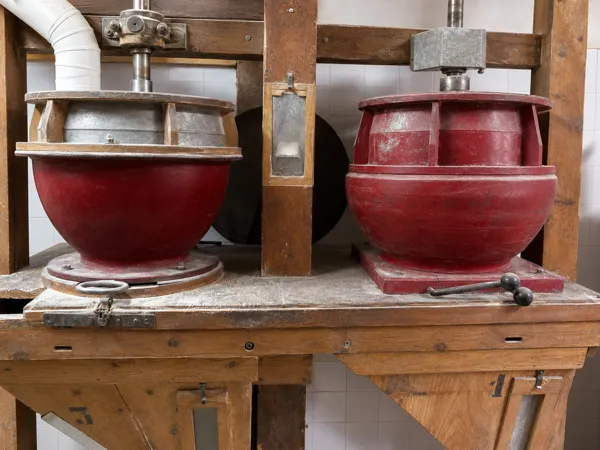
For Carnaroli and Nano Vialone Veronese PGI rice by Antica Pila, this early 20th-century processing method is used.
A "pila" (a large abrasive stone-lined vessel) is used, with a helix-shaped screw suspended in its center.
It nearly touches the bottom. Once 50 kg of rice is added, the rotating helix forces it deep down.
The rice is forced up from the bottom, along the abrasive wall, and then descends back through the center.
Friction against the wall and between grains ensures uniform processing while preserving its organoleptic properties.